


The Bank of England is unlikely to have to raise interest rates as many times as it did in 2022, but hikes could continue into next year if it sees signs of higher energy costs affecting wages and prices, its chief economist has said.
Huw Pill, a member of the Bank’s rate-setting committee, said key evidence for policymakers will emerge in the spring of 2027.
The remarks come a day after interest rates were raised to 4% from 3.75%, the first time that borrowing costs have increased in more than three years.
Governor Andrew Bailey said the increase to its base rate “shouldn’t be seen as the first in an inevitable long sequence of hikes” but that it was unlikely to be the last unless the Middle East conflict was resolved.
Expanding on the MPC’s thinking on Friday, Mr Pill said: “There is a lot of focus around whether this is the start of a more prolonged series of rate increases.”
He referred to comments made by Mr Bailey suggesting that it was “probably not going to be a repeat of the 2022 experience”, when there eight hikes in a row over the course of the year.
“The magnitude of the shock we’ve seen is smaller than in 2022,” he said, referring particularly to gas prices which have not spiked as much as they did after Russia’s invasion of Ukraine.
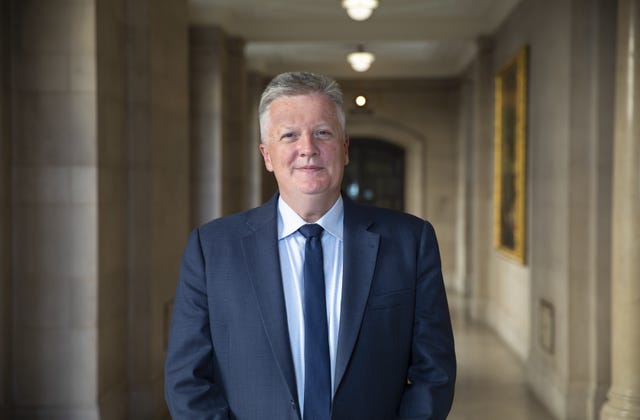
He went on: “Although there is a lot of focus on whether we would have to move rates again as soon as December or in February, the key message is, as we move into next spring, the future path of rates will become more uncertain.
“Crucially we will see more direct evidence of whether these second-round effects are beginning to take hold… as cost pressures on households get passed on.
“It’s that dynamic that will be the key driver on whether further rate increases would be necessary or not.”
The MPC said that, so far, second-round effects from the Middle East energy shock had been somewhat limited.
It is keeping watch for signs that inflation is feeding into companies behaviour such as by increasing wages or putting up prices in shops.
The financial markets are expecting a further three rate hikes, Mr Pill said.
But the top economist said there are risks to that outlook on either side – meaning there could be more or fewer hikes to come depending on how the economic indicators play out.


Share